
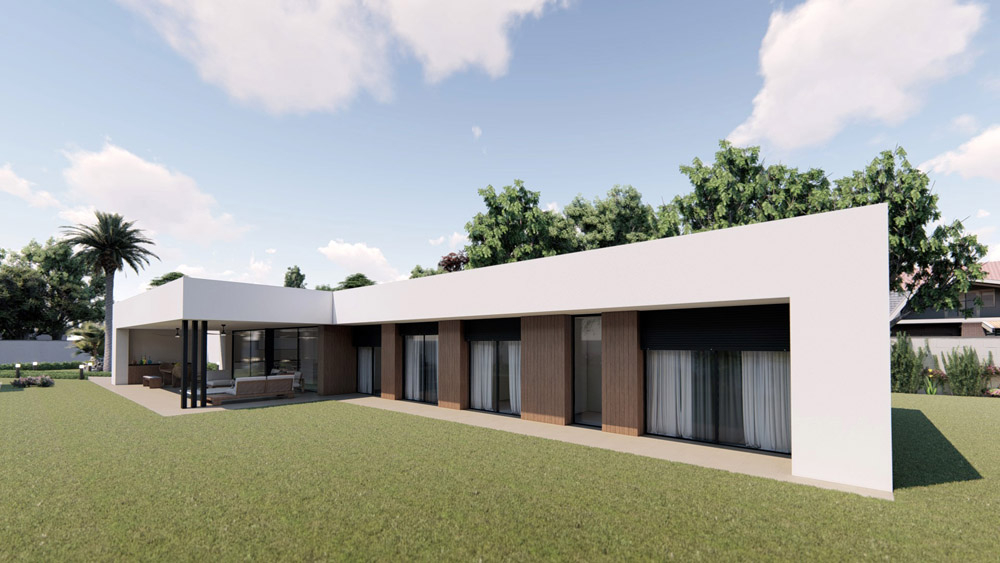
1. Investigate the plot before designing the house
An attractive plot does not confirm that you can build the home you have in mind. Before committing to a purchase or developing a design, gather its identification, available records, location and questions about permitted use, access and services. Arrange an appropriate planning assessment for that municipality and site. If comparing plots, ask the same questions about each and distinguish documented information from sales statements that still need checking.
Explain your intended home and financial limits to the professional investigating feasibility. Advice is more useful when it tests your actual objective. Identify further studies that might be needed and conclusions that cannot yet be reached. Keep dated responses and their sources. The first stage should help you decide whether to proceed, request more evidence or reconsider the plot before paying for a detailed design that may not suit its constraints.
2. Turn daily needs into a brief and an overall budget
Describe activities before counting rooms. Explain who will live in the house, how the household may change, how you want to use outdoor space and which activities need privacy or quiet. Rank requirements as essential, desirable and deferrable. Discuss maintenance, storage, accessibility and energy use early: these everyday matters can shape the size and organization of the home before choices become difficult to revise.
Build an overall budget with separate allowances for land where relevant, investigations, professional services, construction, procedures, taxes and equipment. Keep provision for uncertainty without assuming one percentage suits every project. Ask what evidence will refine each estimate and when it will become available. If the brief exceeds your resources, revisit floor area and priorities before developing detailed finishes. An early adjustment is easier to assess coherently than an improvised reduction while construction is already underway.
3. Make the appointments and responsibilities explicit
A new house needs a team with defined roles. Spain's LOE identifies building participants and responsibilities, which must be applied to the particular appointment. Ask for a simple outline covering the designer, construction-stage professional roles, builder and other necessary services. Appointing one practice does not automatically explain which other appointments and external costs its fee includes. Ask for the Spanish role names alongside any English explanation.
Decide who will centralise communication and which matters need your approval. Establish who commissions investigations, prepares information for builders and coordinates specialist input. For every participant, record the contact, task and stage of involvement. Mark unappointed roles as open actions. This simple map helps prevent two people from assuming the other has ordered a check, or a technical decision waiting indefinitely for client authorisation that nobody has actually requested.
4. Review the design through decisions you can understand
Organize reviews around questions: how the home works, how it relates to the plot, which alternatives suit the budget and which technical issues remain unresolved. Do not approve a proposal solely because a visualization is appealing. Request drawings and explanations appropriate to the stage, and record which version you accept. Separate confirmed decisions from preferences that are still under discussion so everyone understands the status of the brief.
Spain's CTE sets out technical requirements relating to safety and habitability. Your team handles the technical justification; you can ask what each option means for daily life. Discuss maintenance, solar control, noise and operation of services in relation to your habits. Before progressing, review the brief and cost estimate together. An open-decisions list helps stop an apparently decorative choice from later holding up an important construction detail.
5. Coordinate quotations, procedures and the start of construction
Ask builders to price comparable information and identify exclusions, alternatives and assumptions. A single total without a clear breakdown makes missing work difficult to spot. Review important differences with the professional team before choosing. Record how changes will be authorised, what information will support payment decisions and who will communicate problems. Agreements should describe the actual services and responsibilities rather than relying on broad package names.
Check the relevant procedures and conditions with the municipality and your advisers before work starts. There is no single administrative timetable for every Spanish plot. Build a program around dependencies and responsible people, including your own decisions. Label dates that depend on an external response accordingly. A fixed moving date set before those dependencies are understood can put unnecessary pressure on choices that need careful review, particularly if you must coordinate travel from abroad.
6. Follow construction and prepare for handover
During construction, keep questions in a shared register with dates, locations and the decision needed. Route changes through the agreed contacts so their effect on cost, timing and documentation can be assessed. Photographs help communicate progress, while technical concerns require the team's judgement and appropriate checks. Schedule your selections before the builder needs them and confirm accepted versions in writing, particularly if you are reviewing information remotely.
Prepare for handover by asking in advance what documents, operating information and outstanding-item records you should receive. Explore published projects to understand the practice's work. F5 Arquitectos is based in Ciudad Real: send the location and proposed scope to discuss whether collaboration is feasible. This Spain-wide information guide helps you prepare questions; it does not establish nationwide service coverage or guarantee that a particular plot can accommodate your intended house.
Projects and next steps
Sources and references
Published: October 25, 2026. Requirements and documents must be checked for each property and proposed intervention.