
1. Describe the decision you need help with
Choosing an architect starts with a clear problem. Buying a plot, assessing an older house and designing a new home call for different first conversations. Write a one-page brief with the location, current condition, intended use, people who will use the property and available resources. Separate confirmed information from questions you still need answered. When giving a budget, explain whether it covers construction alone or also professional services, taxes and other costs.
List three priorities and three constraints. These might include working from home, step-free access and keeping a courtyard, alongside a moving date or rooms that must remain usable. You do not need to arrive with a finished layout. Giving each shortlisted practice the same brief makes their responses easier to compare and reveals who asks useful questions about the missing information.
2. Look beyond the portfolio photographs
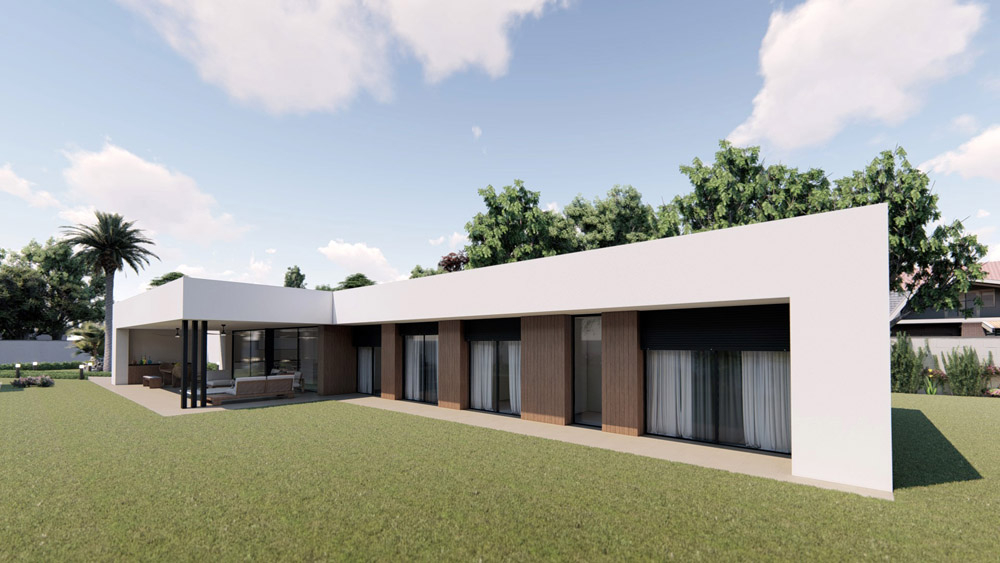
A portfolio helps you recognise an approach you like, but images rarely explain the decisions or difficulties behind a project. Look for relevant experience in the type of work, existing building or household needs involved. Ask what the practice actually delivered, whether an image shows completed work or a design proposal, and which constraints shaped the outcome. Visual similarity alone tells you little about how your project would be managed.
Bring one specific challenge from your brief and ask how they would investigate it. A useful answer identifies missing evidence and choices to explore. Discuss availability, travel and other consultants early. Being nearby may help with visits, but the practical question is what service the architect can commit to at your property, with clear responsibilities and a realistic arrangement for attendance.
3. Establish who will take professional responsibility
Ask for the name of the architect responsible for the appointment, their professional college and registration number, and how to check those details with that college. When appointing a company, establish who will attend meetings and who will sign the relevant documents. This gives you a clear professional contact; it should sit alongside your assessment of experience, availability and communication rather than replace it.
Spain's building legislation, the LOE, distinguishes professional roles. Ask which roles your particular work requires and which appointments the proposal includes. An expression such as “full service” does not explain who does each task. Request a simple list of people, responsibilities and outputs. If specialists are needed, establish who appoints and coordinates them, how their findings enter the design and how their fees appear in your overall budget.
4. Compare deliverables before comparing totals
Send the same brief to your shortlist and put the proposals in a table. Use rows for initial visits, measured surveys, feasibility work, design options, project documentation, help with applications, contractor comparisons and construction-stage services. Mark each item as included, excluded or unclear. This exposes differences that a headline fee cannot explain and creates a focused list of questions for each practice.
Ask how many review rounds each stage includes, which documents you will receive and how significant changes to your brief will be handled. Separate professional fees, taxes and external expenses, and connect payments to identifiable deliverables. There is no universal fee that makes every house project comparable. You need to understand the work covered by each amount and which additional appointments would still be needed to complete your particular project.
5. Test how you will communicate
Use the initial meeting to explore the working relationship. Ask about a budget concern, an uncertainty in the property and a possible design disagreement. Notice whether explanations are understandable, assumptions are identified and the discussion ends with specific next steps. A comfortable conversation is valuable, but decisions also need a shared record so that different memories do not create repeated work later.
Agree one main contact on each side, the usual communication channel and a route for urgent questions. If you live outside Spain, add meeting language, time zones and the process for approving documents. Ask the practice to explain its organisation method or show a suitably anonymised example without seeking another client's confidential material. The ability to understand and make decisions together deserves as much attention as the appearance of a finished room.
6. Put the appointment into writing
Before accepting, check that the agreement identifies the property, purpose, stages, deliverables, fees, expenses, payments and arrangements for changes or interruption. Record what information you provide and what the team will investigate. Where a major uncertainty remains, such as whether an extension is feasible, a defined initial study may help you decide whether to proceed. Its written scope should explain exactly what that study will provide.
Keep the accepted version and start a shared folder for information and decisions. Browse F5's published projects to prepare an informed discussion. F5 Arquitectos is based in Ciudad Real. For property elsewhere, send the municipality and proposed scope so that the suitability and feasibility of an appointment can be considered. This national information guide does not mean the practice offers services throughout Spain.
Projects and next steps
Sources and references
Published: 25 October 2026. Requirements and documents must be checked for each property and proposed intervention.